
The Union Public Service Commission will conduct the Civil Services (Preliminary) Examination 2026 on Sunday, 24 May 2026 in two sessions across India — GS Paper-I in the forenoon and CSAT Paper-II in the afternoon. With just 72 hours to go, your job is no longer to learn — it is to consolidate, simulate, and protect what you already know. This guide is your gold-standard T-3 playbook drawn straight from the UPSC official examination page and the latest e-admit-card instructions.
\n\n
\n\n
The 72-Hour Rule: Stop Learning, Start Simulating
\n
Between 21 May (today) and 23 May, every successful aspirant we’ve tracked over five cycles converges on the same pattern: two-thirds simulation, one-third targeted revision. Picking up a new topic right now adds confusion, not marks. Picking up a fresh PYQ pattern adds 4–6 marks of confidence. That gap is the difference between 105 and 115 in GS.
\n\n
Hour-by-Hour Plan: 21 May → 23 May → Exam Morning
\n
Day T-3 (Today, 21 May — Thursday)
\n
- \n
- 05:30–08:00: Full GS Mock #1 (last year’s official UPSC 2025 paper). Strict 2-hour clock. No looking up.
- 09:00–11:00: Mock review — mark only the 8–10 questions you got wrong despite knowing the concept. These are your real leakages.
- 11:30–13:30: Polity sprint — Articles 12-32, 72/161, 105/194, 263, 280, anti-defection 10th Schedule. Use our T-14 Polity sheet.
- 15:00–17:00: Environment + Schemes flash. Cover the Top 50 schemes list + Ramsar/Tiger/Biosphere triangle.
- 18:00–19:30: CSAT — 1 set of 20 comprehension Qs + 10 data interpretation Qs. Keep the muscle warm.
- 21:00–22:00: Yesterday’s PIB + current affairs round-up. No new sources.
\n
\n
\n
\n
\n
\n
\n\n
Day T-2 (22 May — Friday)
\n
- \n
- Full Mock #2 (a sectional + economy-heavy paper). Score it honestly.
- Economy revision — RBI MPC, repo, CRR, SLR, fiscal-deficit math from the Budget 2026-27 highlights piece.
- Modern History 1857–1947 — Acts, Sessions, Movements timeline only.
- Pack the exam kit (see checklist below).
\n
\n
\n
\n
\n\n
Day T-1 (23 May — Saturday)
\n
- \n
- Half-day rest after lunch is non-negotiable.
- Morning: 1 short mock (60 Qs, 75 min) + Geography map drill.
- Late morning: Re-read your one-page “high-velocity 2026” sheet — India-Netherlands Roadmap, BIS fuel standards, AMOC, SMILE Mission, India-Vietnam AI/Quantum MoU. Cap at 60 minutes.
- Evening: Drive to your exam centre exactly at the same time as your reporting slot on Sunday. Time the route. Map the parking.
- By 22:00 — phone away. Lights out by 23:00. Six clean hours of sleep beat six extra revisions every single time.
\n
\n
\n
\n
\n
\n\n
Exam Morning (24 May — Sunday)
\n
- \n
- Wake by 05:30. Light breakfast — no experiments.
- Reach the centre at least 75 minutes before the session. UPSC closes entry 10 minutes before the start; latecomers are not allowed in.
- Carry only what the admit card permits: printed admit card, photo ID (Aadhaar/Voter/PAN/Passport/DL whose number is printed on the admit card), photographs, simple analog wristwatch, transparent water bottle, blue/black ball pen.
- Switch off mobile, smartwatch, Bluetooth earbuds before entering the hall. UPSC bans all electronic devices inside the examination room.
\n
\n
\n
\n
\n\n
GS Paper-I Exam-Day Blueprint (09:30 – 11:30)
\n
The two-hour scoring math has stayed unchanged for a decade. Use the four-pass method:
\n
- \n
- Pass 1 (0–45 min): Attempt only the direct knowledge questions you are 90%+ sure about. Target 45–55 attempts. Do not touch anything you’re shaky on.
- Pass 2 (45–80 min): Return to “two-options-eliminated” questions. UPSC negative marking is 1/3rd. Attempt only when you’ve eliminated at least two of four options.
- Pass 3 (80–105 min): Final pass on flagged items. Do not invent — leave anything where 3 options still feel plausible.
- Pass 4 (105–120 min): OMR audit. Recheck bubble alignment, roll number, set code, signature. This single audit has saved 4-mark disqualifications across cycles.
\n
\n
\n
\n
\n
Sweet spot: 78–88 attempts. The 2024 and 2025 cut-offs reward accuracy, not volume.
\n\n
CSAT Paper-II (14:30 – 16:30): Qualifying But Lethal
\n
CSAT needs only 33% — but the last three cycles have eliminated thousands of strong GS scorers here. Today’s CSAT is comprehension-heavy and high-difficulty.
\n
- \n
- Solve comprehension first (passages 1–25). They are the highest-yield, lowest-time block.
- Attempt logical reasoning and data sufficiency second.
- Touch hard maths only if time permits. Target attempt: 55–65 questions, 33%+ accuracy.
- Bubble OMR after every page — not at the end. CSAT OMR errors are the #1 cause of “I cleared GS but missed Mains”.
\n
\n
\n
\n
\n\n
OMR Discipline: The Silent Killer
\n
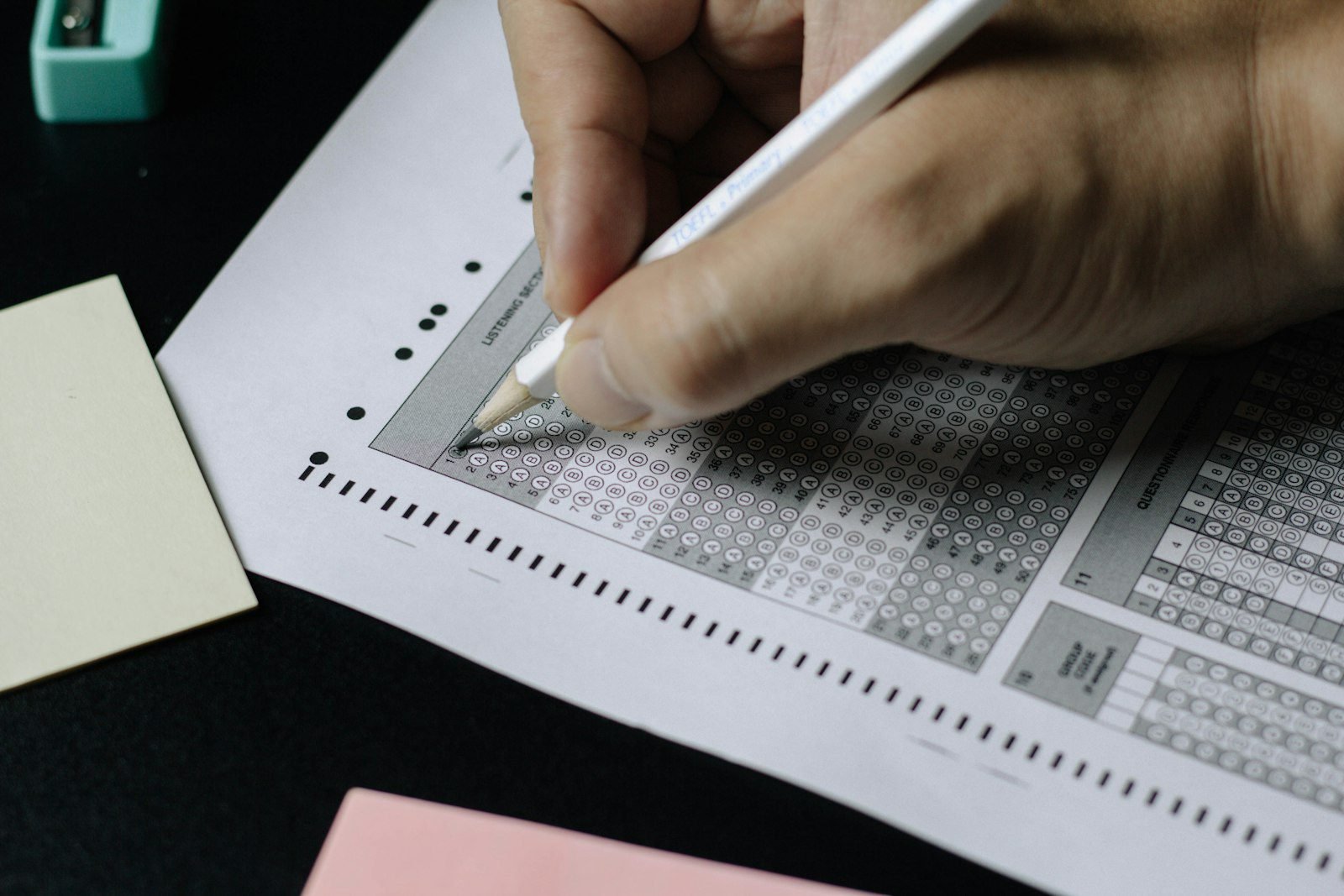
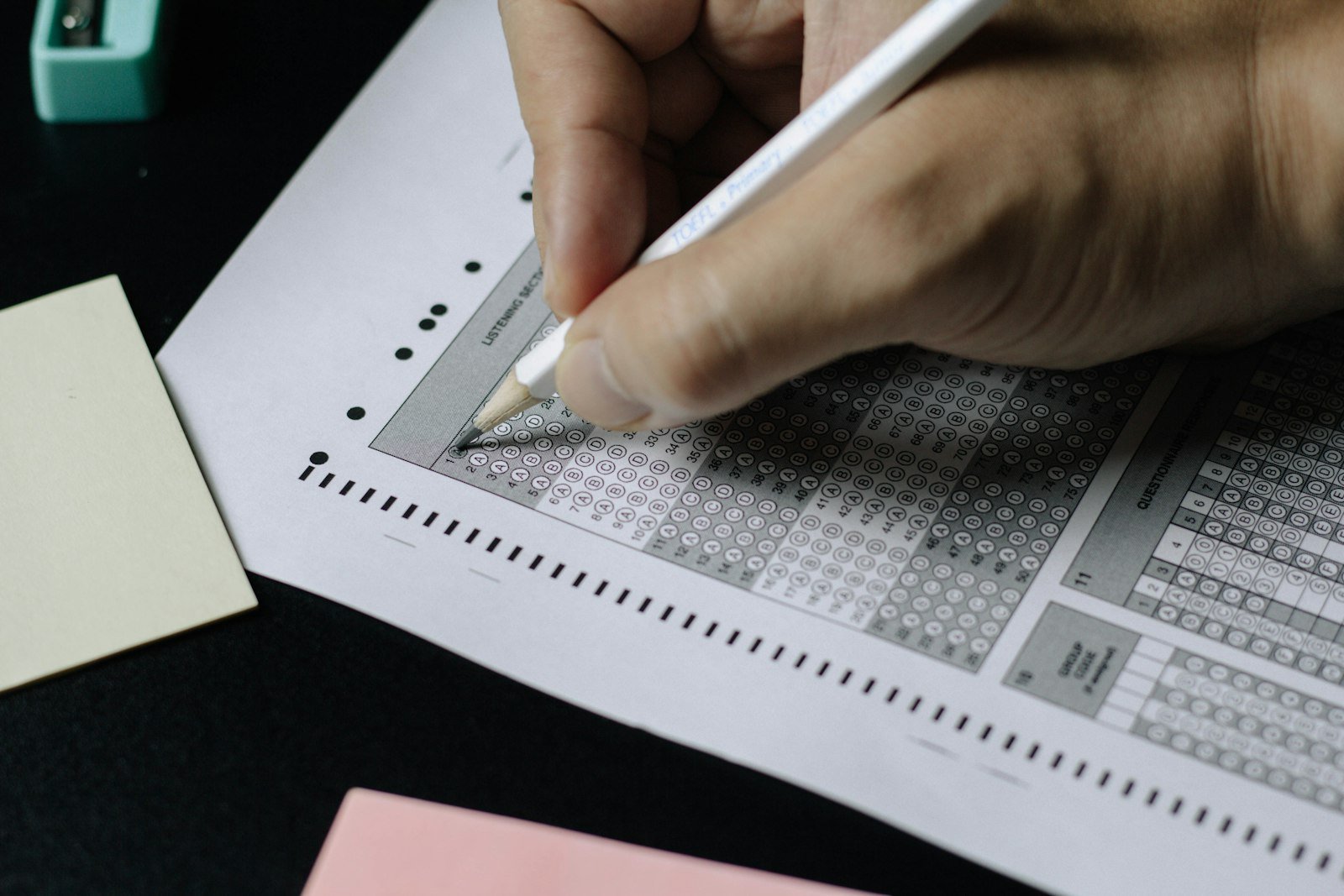
UPSC scans OMRs by optical mark reader. The machine reads only what is darkened correctly. Three rules:
\n
- \n
- Use blue/black ball pen only for personal details + signature. The bubbles take pencil/pen as per the admit-card instructions — re-read your specific admit card slip the night before.
- Fill the bubble fully and inside the circle. Half-bubbles, double-bubbles, and tick-marks are read as void.
- Do not fold, dog-ear, or stain the OMR. Even a tea ring across a bubble row can void that row.
\n
\n
\n
\n\n
Admit Card & ID Checklist (Verify Tonight)
\n
- \n
- Two clear colour printouts of the e-admit card from upsconline.gov.in/eadmitcard.
- Original photo ID whose number is printed on the admit card. Photocopy will not be accepted.
- Two extra passport-size photographs of the same set used in the application.
- Recheck your centre and city — if you spot any anomaly read our centre & city verification guide.
- Cross-check name spelling, DOB, photograph clarity. If anything is wrong, write to UPSC immediately via the online query form.
\n
\n
\n
\n
\n
\n\n
The Do’s: 10 Final Non-Negotiables
\n
- \n
- Sleep 6+ hours on T-1 night. Sleep is a scoring tool.
- Eat the same breakfast you’ve eaten through your mocks. No “exam-day special” food.
- Carry your own transparent water bottle. Stay hydrated between Paper-I and Paper-II.
- Use the 90-minute break wisely — no group post-mortem of Paper-I.
- Read every question stem twice. UPSC’s “Which of the following is NOT correct” trap caught 17 questions across 2023–2025.
- Watch out for “ONLY”, “ALL”, “NEVER”, “ALWAYS” — these absolutes are usually wrong.
- Match-the-following: solve one definite pair first, then eliminate.
- Assertion–Reason: judge each statement independently before linking.
- Statements with “Consider the following statements”: count, then check each.
- If you complete 30 minutes early, do not exit. Recheck OMR.
\n
\n
\n
\n
\n
\n
\n
\n
\n
\n
\n\n
The Don’ts: 10 Common Mistakes That Cost the Cut-off
\n
- \n
- Don’t read a new book on T-1. Anything new now becomes noise.
- Don’t carry your phone into the hall. Even a switched-off phone in your pocket is a disqualification.
- Don’t try lucky guesses on 0-elimination questions — UPSC’s 1/3 negative is brutal at 90+ attempts.
- Don’t argue with the invigilator over seat/OMR — escalate via written complaint inside the answer-sheet space provided.
- Don’t discuss Paper-I with anyone during the lunch break — it crashes CSAT scores.
- Don’t change clothes/footwear style from your mocks. Comfort = focus.
- Don’t bubble OMR in pencil if your admit card prescribes pen — and vice versa.
- Don’t depend on the hall clock alone. Carry a non-smart analog wristwatch.
- Don’t skip the OMR audit pass. Bubble errors are not “small mistakes”.
- Don’t celebrate or panic till both papers are over. The Mains-eligible decide their year in the last 10 minutes of CSAT.
\n
\n
\n
\n
\n
\n
\n
\n
\n
\n
\n\n
Velocity 2026 — Last-Mile Current Affairs Hit-List
\n
Eight items from the last 30 days that have a real chance of showing up:
\n
- \n
- India-Netherlands Strategic Partnership Roadmap (2026–2030) adopted at The Hague on 16 May 2026 — covers trade, water, renewable hydrogen green corridor, defence, migration.
- Chola-era Anaimangalam Copper Plates (Leiden Plates) returned by University of Leiden to India.
- India–Vietnam MoU on AI and quantum technology.
- BIS published two new fuel standards (ethanol-blended petrol + bio-CNG).
- AMOC (Atlantic Meridional Overturning Circulation) — climate science angle.
- SMILE Mission — solar wind-magnetosphere imaging.
- SHE-MART initiative for women entrepreneurs.
- RBI MPC May 2026 — repo rate stance.
\n
\n
\n
\n
\n
\n
\n
\n
\n\n
Practice Quiz
\n
Quiz data missing.
\n\nFrequently Asked Questions
\n
When is UPSC Prelims 2026?
\n
The Civil Services (Preliminary) Examination 2026 is scheduled for Sunday, 24 May 2026, conducted in two sessions — GS Paper-I (09:30–11:30) and CSAT Paper-II (14:30–16:30).
\n\n
What is the entry cut-off time at the UPSC Prelims centre?
\n
UPSC closes entry into the examination venue 10 minutes before the scheduled start of each session. Late candidates are not allowed in under any circumstance.
\n\n
Can I carry a smartwatch or phone to the UPSC Prelims hall?
\n
No. All electronic devices — including mobile phones, smartwatches, Bluetooth earbuds, and digital wristwatches — are strictly prohibited inside the examination hall. Only simple analog wristwatches are permitted.
\n\n
What documents are mandatory on exam day?
\n
Printed e-admit card, original photo ID whose number is printed on the admit card (Aadhaar/Voter ID/PAN/Passport/Driving Licence), and the photographs you used during application.
\n\n
What is a safe attempt target in GS Paper-I?
\n
For the 2024–2025 difficulty trend, attempt 78–88 questions with high accuracy. Cut-offs reward elimination-based attempts more than raw volume.
\n\n
Internal Resources
\n
- \n
- UPSC Prelims 2026: 9-Day Final Strategy & Admit Card Guide
- T-8 Definitive Final Revision Calendar
- Top 10 Polity Areas
- Top 50 Government Schemes
\n
\n
\n
\n
\n\n
Talk to a Mentor — CG Helpline 7033005444
\n
If your last 72 hours feel heavy, that is normal. Call Civils Gyani’s helpline 7033005444 for a focused 15-minute T-3 mentor call: paper strategy, sleep protocol, and an exam-day mental script.
\n\n
Sources: UPSC — Civil Services (Preliminary) Examination, 2026; UPSC e-Admit Card Portal; UPSC Examination Instructions & Guidelines.